
Stainless Steel Shot
Stainless steel shot is obtained through melting, crushing, and sieving of Cr stainless steel. The high…
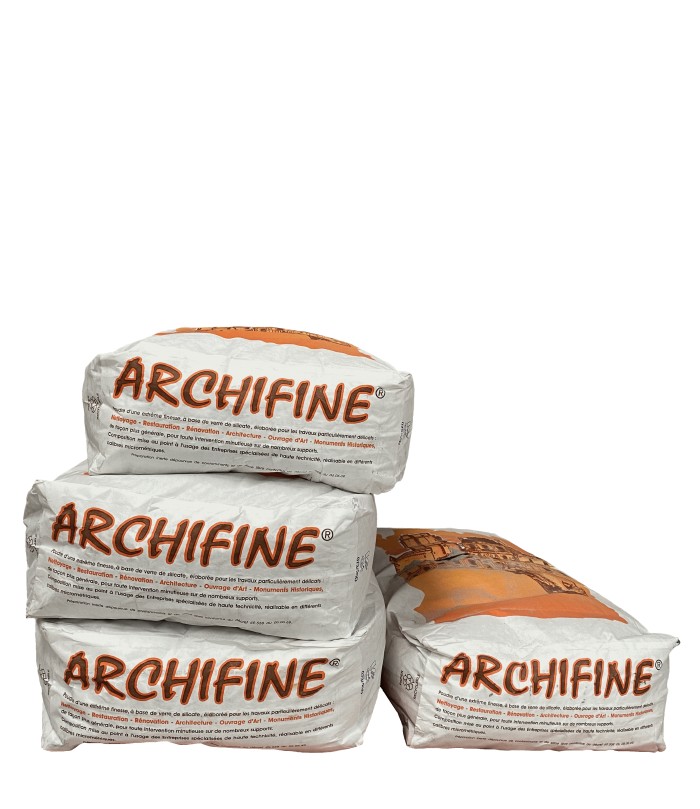
Archifine Sand N°4 (25kg)
Archifine Sandblasting Sand N°4, the 25kg bag
Product unavailable; See the SCOREX SC250 article for…
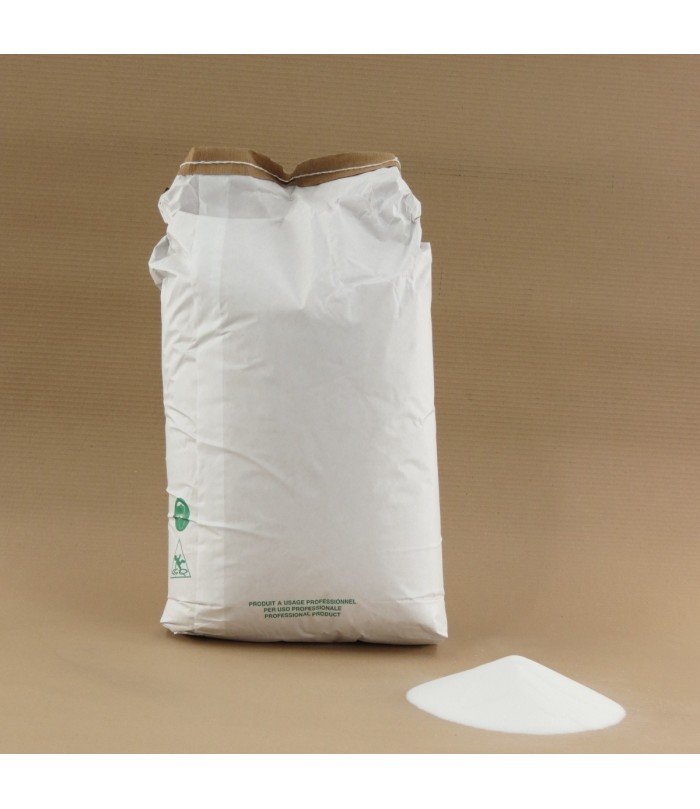
Angular Glass
Angular abrasive made from recycled soda-lime-silica glass, which is ground and sieved to produce particles…
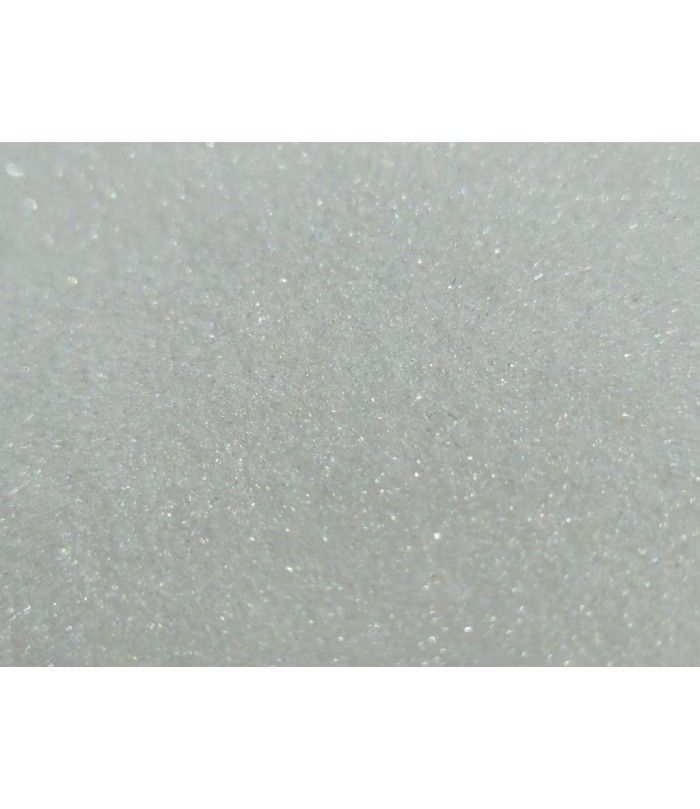
White fused alumina - White Corundum
White corundum is a high-purity, extremely hard aluminum oxide used as an angular abrasive. It is free…
Almandine GARNET
GARNET blasting abrasive, used for surface treatment operations by impact as well as for water jet cutting…
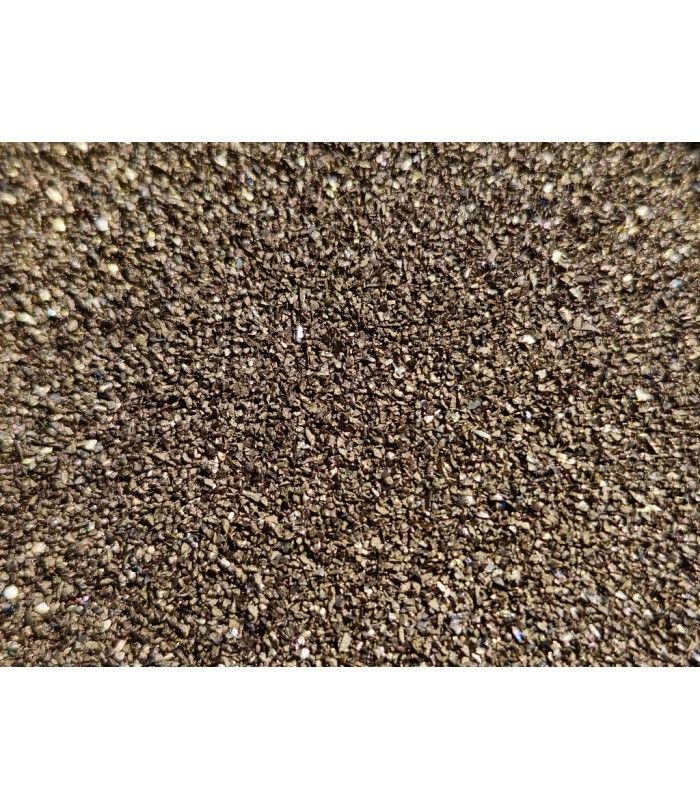
Steel Shot
High-quality martensitic angular steel shot for shot blasting and sand blasting.

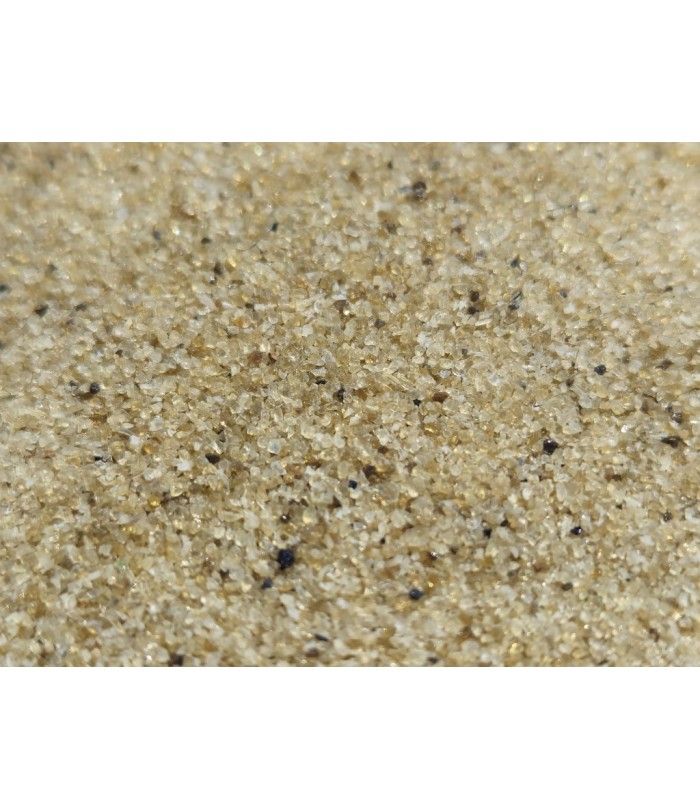
Calcium silicate - SCOREX®
Abrasive for free-blast sandblasting and stripping with mobile sandblasters
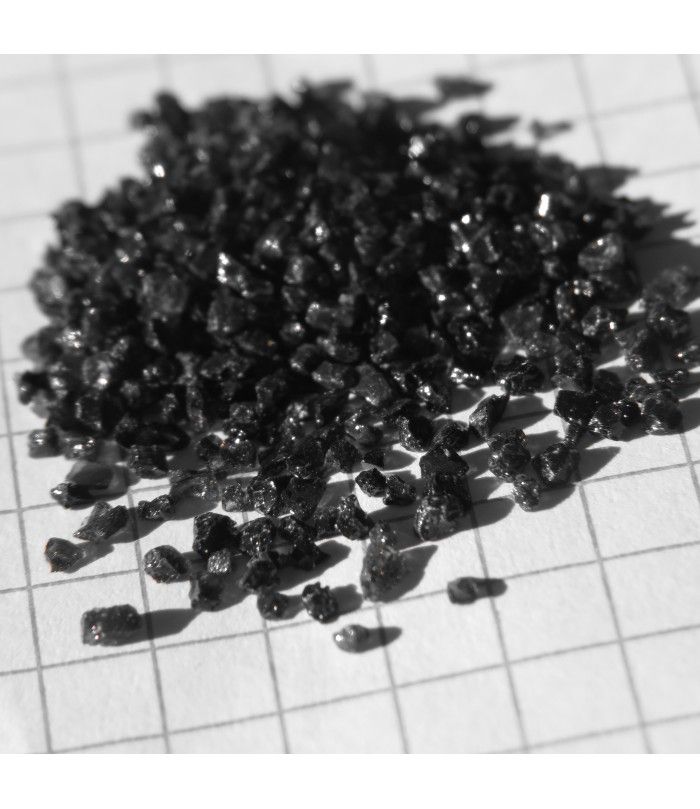
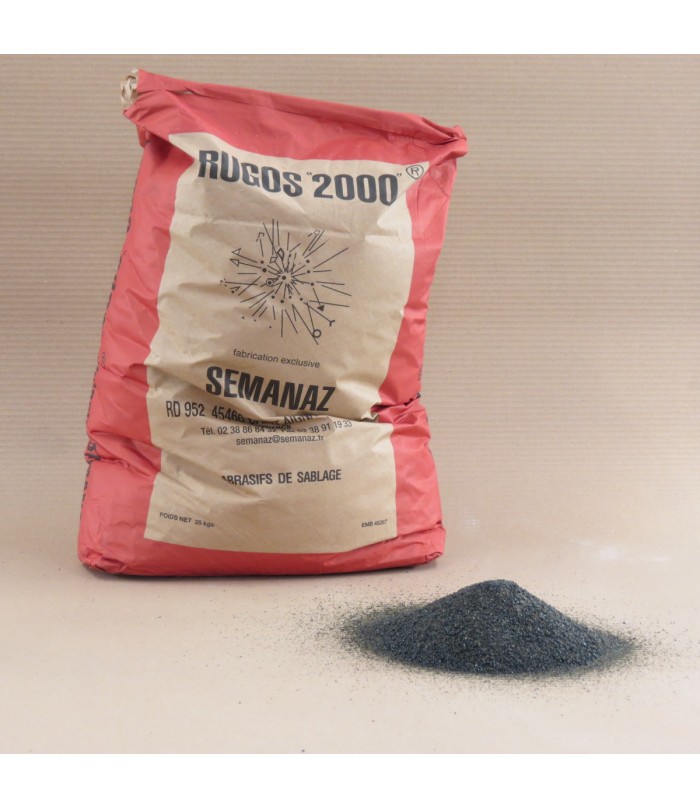
RUGOS 50/80 Sandblasting Sand
Rugos 50/80 sandblast sand, 25kg bag.
Product unavailable, see article SC06 for equivalent abrasive…
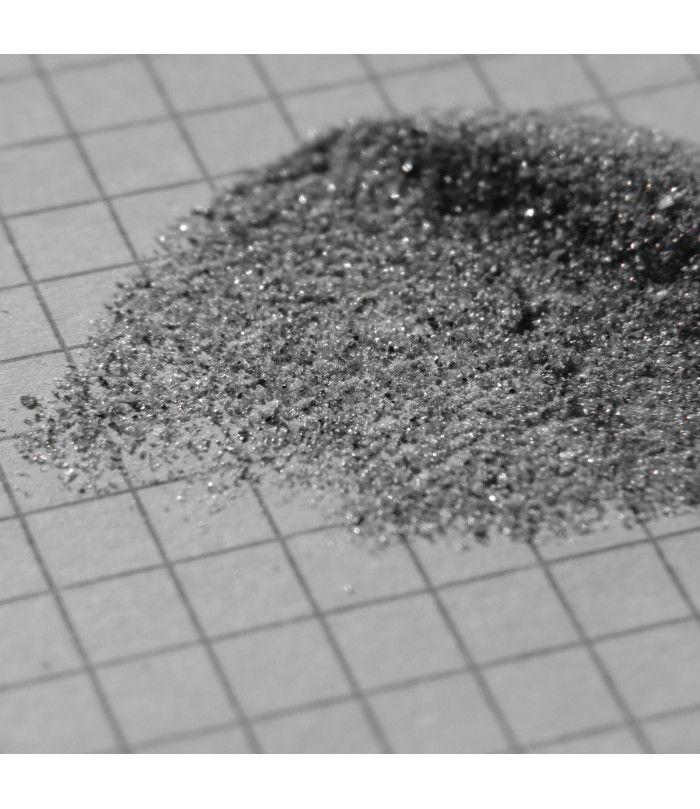
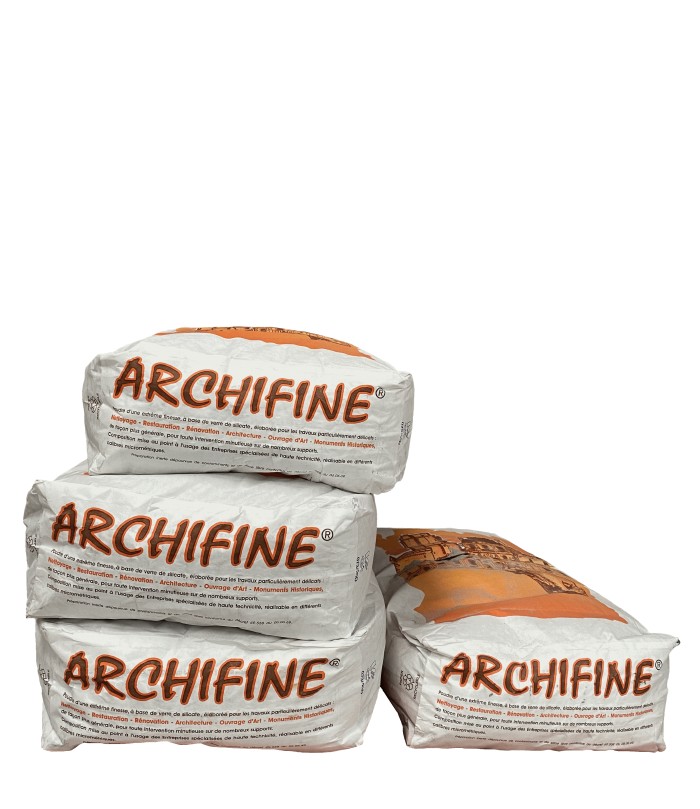
Sand Archifine N°6 (25kg)
"Archifine" sandblasting sand N°6, the 25 kg bagOut of stock: see equivalent product Scorex SC06
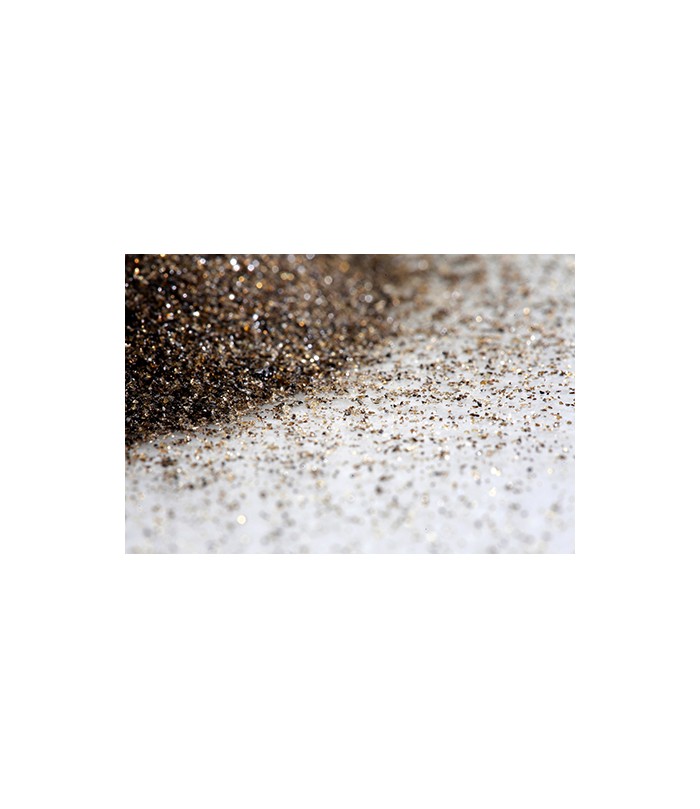
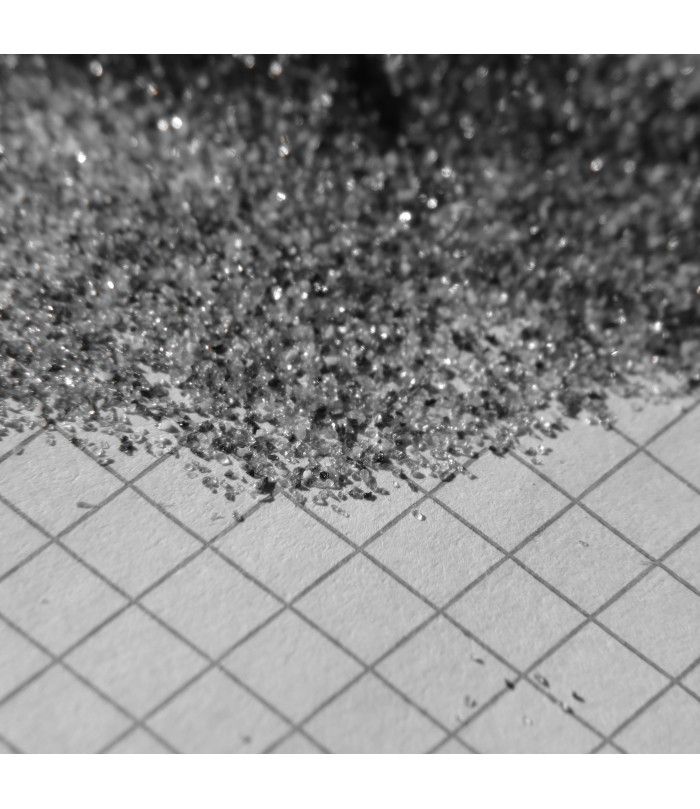
Aluminum Silicate
Abrasive for free-blast blasting and soft stripping with mobile sandblasters or airbrushes.
Ideal for…
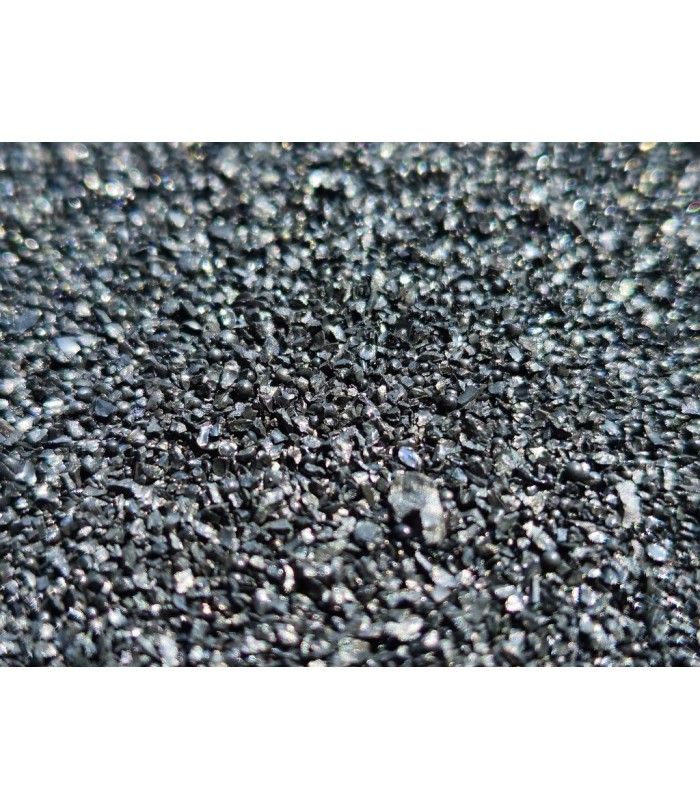
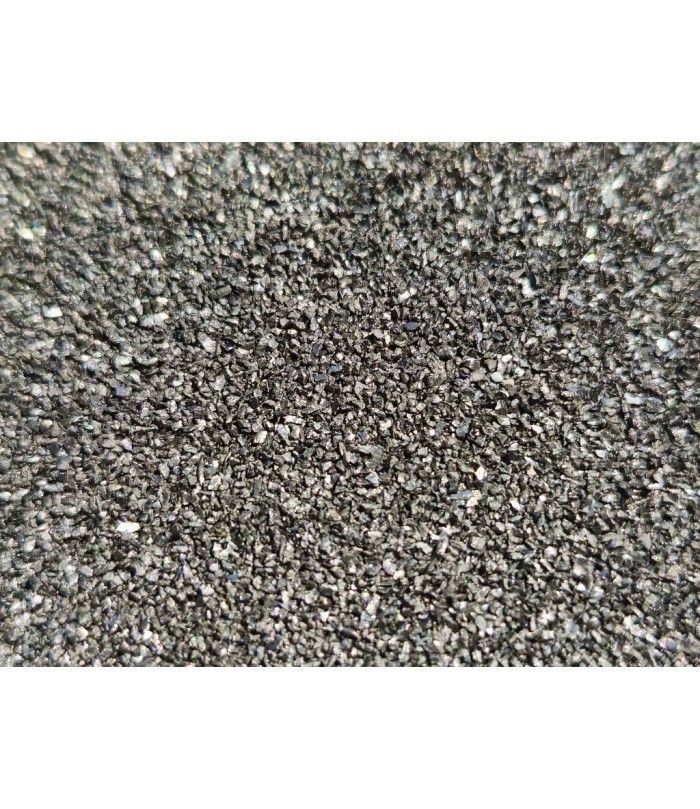
Iron Silicate
Sandblasting abrasive for free-blast or airblast applications, ideal for cleaning and stripping metal…
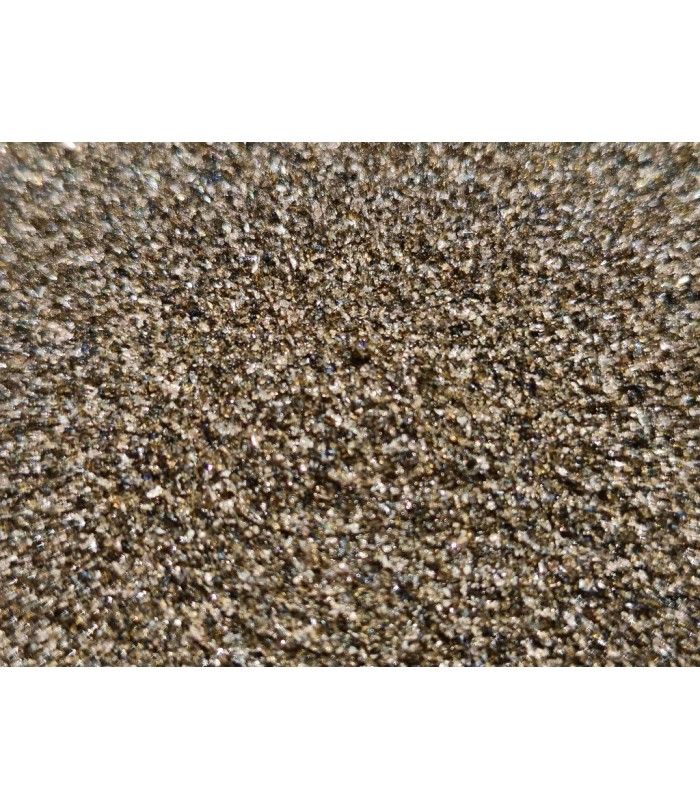
Brown Corundum - Brown Fused Alumina
A tough, angular, mineral blasting abrasive ideally suited to stripping metal parts.
This very hard…
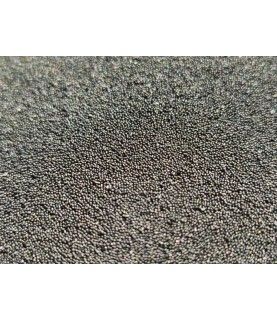
Round grit - Stainless steel microbeads
Round stainless steel shot is produced by atomizing Cr Ni Stainless Steel. After various phases to obtain…
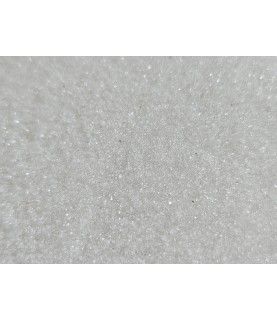
Glass bead
Glass microbeads are a precision blasting media for damage-free cleaning, maintaining tolerances, and…
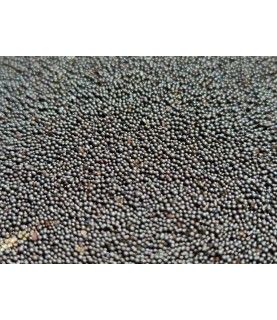
Round Shot - Microbeads Steel
The technology used for the production of high-carbon steel shot is the most advanced in the world. We…
Ceramic Microbeads
Ceramic microbeads are one of the best choices when it comes to bead blasting. They offer superior strength…
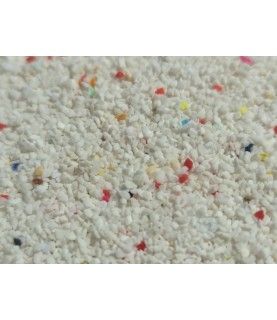
Plastic Media Type II
Sandblasting abrasive used for overpressure gumming in sandblasting cabinets.
Type II is the most widely…
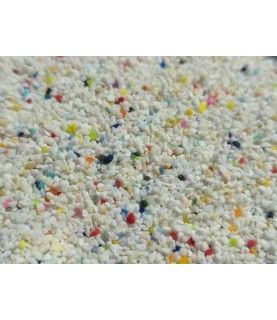
Plastic Media Type III
Sandblasting abrasive used for overpressure gumming in sandblasting cabinets.Type III is a melamine-based…

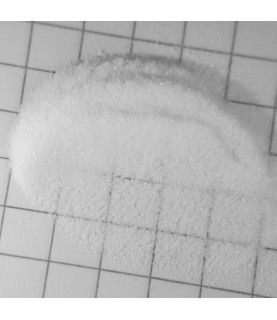
Sodium bicarbonate
Soft blasting abrasive, ideal for open-air blasting to remove graffiti or stripping sensitive parts.
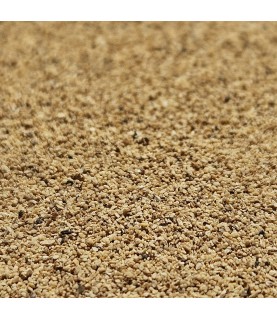
Vegetable Abrasive
Abrasive for sandblasting, stripping or other impact surface treatments. This sandblasting abrasive is…
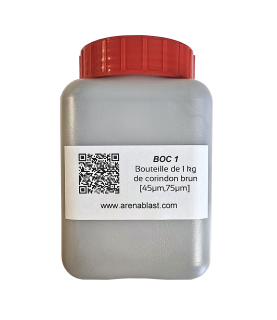
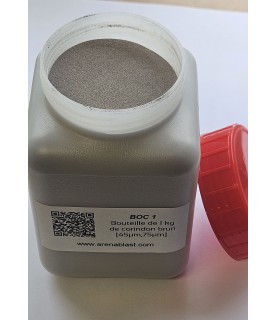
Bottle of brown fused alumina
Bottle of brown corundum grade 220
CODE : BOC 1
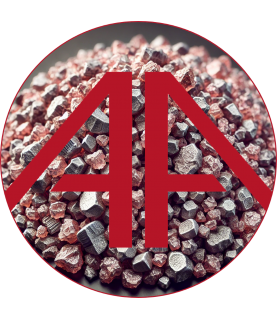
Almandine GARNET
GARNET blasting abrasive, used for surface treatment operations by impact as well as for water jet cutting…
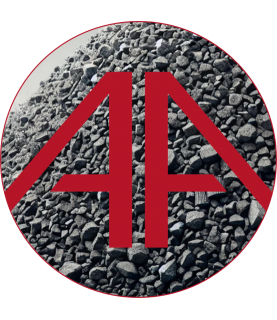
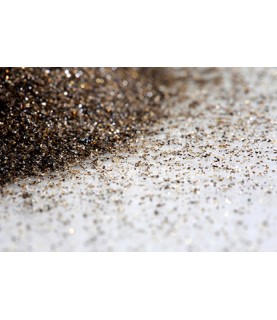
Aluminum Silicate
Abrasive for free-blast blasting and soft stripping with mobile sandblasters or airbrushes.
Ideal for…

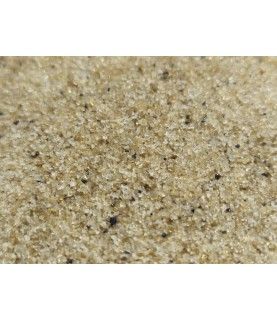
Calcium silicate - SCOREX®
Abrasive for free-blast sandblasting and stripping with mobile sandblasters
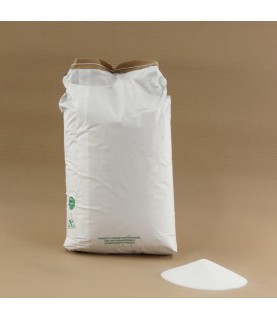
Angular Glass
Angular abrasive made from recycled soda-lime-silica glass, which is ground and sieved to produce particles…
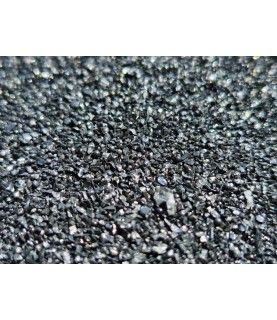
Iron Silicate
Sandblasting abrasive for free-blast or airblast applications, ideal for cleaning and stripping metal…
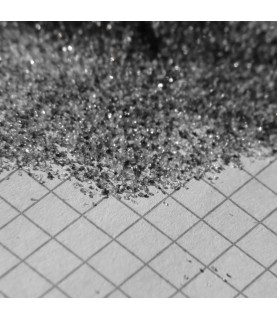
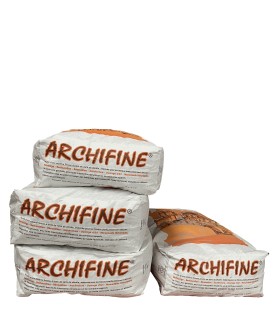
Archifine Sand N°4 (25kg)
Archifine Sandblasting Sand N°4, the 25kg bag
Product unavailable; See the SCOREX SC250 article for…
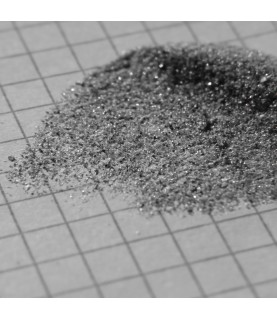
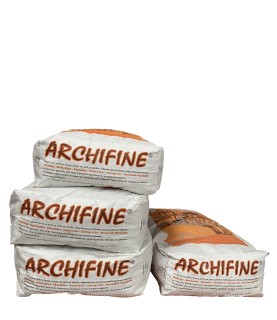
Sand Archifine N°6 (25kg)
"Archifine" sandblasting sand N°6, the 25 kg bagOut of stock: see equivalent product Scorex SC06
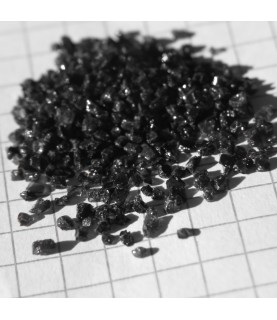
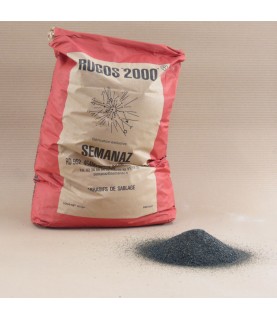
RUGOS 50/80 Sandblasting Sand
Rugos 50/80 sandblast sand, 25kg bag.
Product unavailable, see article SC06 for equivalent abrasive…
Sodium bicarbonate
Soft blasting abrasive, ideal for open-air blasting to remove graffiti or stripping sensitive parts.